Thinking about a move to Potomac but not sure what daily life really feels like? You want space, strong local services, and quick access to nature without losing touch with D.C. That balance is exactly why many buyers look here. In this guide, you’ll get a clear view of neighborhoods, housing, schools, commutes, and weekend favorites so you can decide if Potomac fits your lifestyle. Let’s dive in.
Potomac at a glance
Potomac is an unincorporated community in Montgomery County with a suburban feel and a strong owner-occupancy base. According to the ACS 2020–2024 5‑year estimates, the population is about 47,018 with roughly 16,300 households and an owner-occupancy rate near 84.8 percent. Median household income is about $236,675, per‑capita income is about $115,782, and the median value of owner‑occupied homes is listed at $1,157,000. The mean commute time is about 29.7 minutes, reflecting a car‑forward pattern common across the D.C. suburbs. See the U.S. Census QuickFacts profile for details.
Where you’ll live: neighborhoods
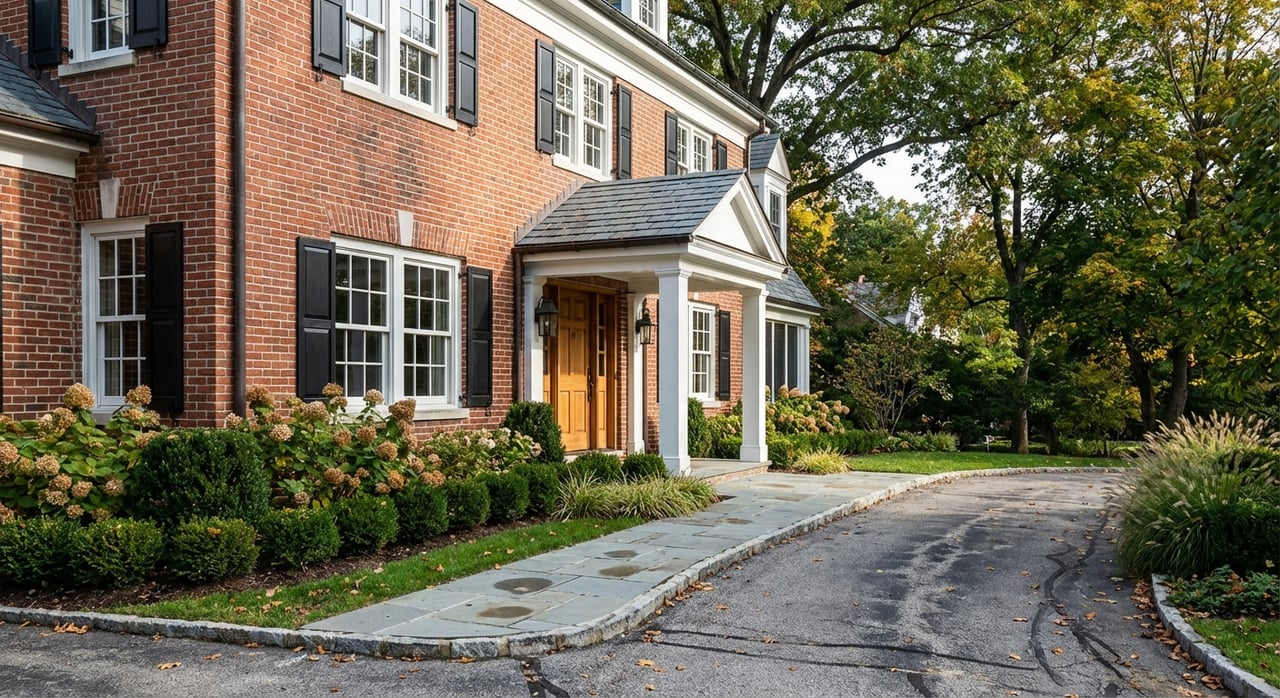
Potomac’s housing stock is largely single‑family homes on medium to large lots. You’ll find estate‑scale properties, renovated mid‑century colonials and Tudors, and newer infill townhomes in select pockets. Owner occupancy is high, and supply at the luxury tier can be thin, which may cause month‑to‑month price swings.
Potomac Village
Centered at River Road and Falls Road, Potomac Village is the community’s classic commercial hub. It anchors everyday services and puts you a short drive from most single‑family neighborhoods nearby. Shoppers often treat it as the area’s village center.
Cabin John Village
East of Potomac Village, Cabin John Village brings grocery, dining, and convenience retail together near the Seven Locks and Tuckerman area. Nearby subdivisions range from established single‑family streets to smaller townhouse clusters.
Park Potomac / Northside
Park Potomac adds a newer, mixed‑use feel with restaurants and services, plus a grocery anchor. The Harris Teeter at Park Potomac is a frequent reference point. Around here, you can find brownstone‑style townhomes and condos for lower‑maintenance living.
Avenel
Avenel is a planned community with townhomes and single‑family homes near TPC Potomac at Avenel Farm. For a sense of location and amenities, explore the TPC Potomac at Avenel Farm area. Buyers often choose Avenel for its organized recreation options and a more turnkey lifestyle.
Daily life and services
Schools and education
Potomac is served by Montgomery County Public Schools. Public schools that often come up in local searches include Winston Churchill High School and Herbert Hoover Middle School. Because school assignments can change, confirm current boundaries on MCPS pages such as the Winston Churchill High School site.
Shopping and errands
You won’t find a single downtown, but several centers cover everyday needs: Potomac Village, Cabin John Village, Park Potomac, and Potomac Woods Plaza. Park Potomac’s restaurant mix pairs well with its grocery anchor at Harris Teeter. For broader retail and dining, Bethesda, Rockville, and Pike & Rose are an easy drive.
Health care access
Residents typically use nearby Montgomery County health systems. Johns Hopkins Suburban Hospital in Bethesda is a primary regional option, and the NIH/Walter Reed corridor offers additional specialists. For a hospital overview, see Suburban Hospital on Turquoise Health.
Library and community programs
The Potomac branch of Montgomery County Public Libraries runs events and resources for all ages. It’s a practical local hub for programs, study spaces, and community calendars. Check the MCPL Potomac branch page for current offerings.
Getting around
Driving patterns
Potomac’s street network and location northwest of Washington make driving the dominant commute mode. The ACS mean travel time sits around 29.7 minutes for workers here, a typical suburban profile into Bethesda, downtown D.C., or the I‑270 corridor. River Road, MacArthur Boulevard, and access to I‑495 shape most trips.
Metro and Ride On
There is no Red Line station inside Potomac. The nearest stations are Bethesda, Grosvenor‑Strathmore, and Rockville/Shady Grove, which you can reach by car, rideshare, or with specific Ride On routes. For context on how planners view the subregion’s mobility, see the Montgomery Planning update on the Potomac Subregion Master Plan.
Park‑and‑ride options
Many commuters drive to a Red Line station or use park‑and‑ride lots, then continue by rail. The tradeoff is clear: you gain fast highway access to multiple job centers but have less walkable, transit‑dense commuting than rail‑served neighborhoods.
Outdoors and culture
C&O Canal and Great Falls
Potomac backs up to one of the region’s most-loved natural corridors. The C&O Canal National Historical Park offers river views, towpath biking, and access points to Great Falls and the Billy Goat Trail. Start with the park’s maps and planning page to pick the right trail segment for your day.
Glenstone Museum
Glenstone is a nationally recognized contemporary art museum set on a landscaped campus along Glen Road. Admission is free with timed reservations, and the experience blends architecture, art, and outdoor spaces. Plan your visit through Glenstone’s official page.
Clubs and recreation
Private and semi‑private clubs play a visible role in local recreation. TPC Potomac at Avenel Farm and the nearby Congressional corridor offer golf and social programming for members. These amenities add to the area’s lifestyle options and can shape neighborhood preferences.
Is Potomac a fit for you?
What you may appreciate
- Larger lots and a quieter residential setting compared to mixed‑use urban cores.
- Proximity to the Potomac River, C&O Canal, and Great Falls for quick outdoor escapes.
- A strong base of public services and community programs, plus convenient retail hubs.
What to weigh
- Cost of entry and monthly carry are significant. ACS data lists a median owner‑occupied home value around $1,157,000.
- Transit convenience is limited in many pockets, so commuting is often car‑centric.
- Inventory at the luxury tier can be thin, and a few high‑end sales may move the averages month to month.
Buying with clarity
- Align neighborhood choice to your daily routine, especially commute corridors.
- Decide early whether you want lower‑maintenance townhome living or a larger‑lot single‑family home.
- Track live market data before you write an offer since luxury segments can shift with limited inventory.
Ready to explore Potomac?
If Potomac’s space, services, and river‑to‑city balance match your goals, a focused search can make the difference. I help clients narrow to the right micro‑areas, align timing with inventory, and negotiate with confidence. When you are ready to talk strategy, connect with Lauren Pillsbury.
FAQs
What is the cost of housing in Potomac?
- ACS 2020–2024 estimates list the median value of owner‑occupied homes at about $1,157,000, which reflects a high‑cost, high‑income market profile.
How long is the typical commute from Potomac?
- The ACS mean travel time is about 29.7 minutes, and most residents drive to employment centers in Bethesda, downtown D.C., or along I‑270.
Which public schools serve Potomac addresses?
- Potomac is served by MCPS, and families often reference Winston Churchill High School and Herbert Hoover Middle School; confirm boundaries on MCPS pages such as the WCHS site.
Where do residents shop for daily needs?
- Potomac Village, Cabin John Village, Park Potomac, and Potomac Woods Plaza cover groceries, pharmacies, and dining; Park Potomac’s Harris Teeter is a common anchor.
What outdoor activities are nearby?
- The C&O Canal, Great Falls, and the Billy Goat Trail offer hiking, biking, and river views; start with the park’s official maps to plan a visit.
How should I research safety in Potomac?
- Safety can vary by street; review county resources and crime‑mapping tools. County‑level summaries on CrimeExplorer provide helpful context before you dive into block‑level data.