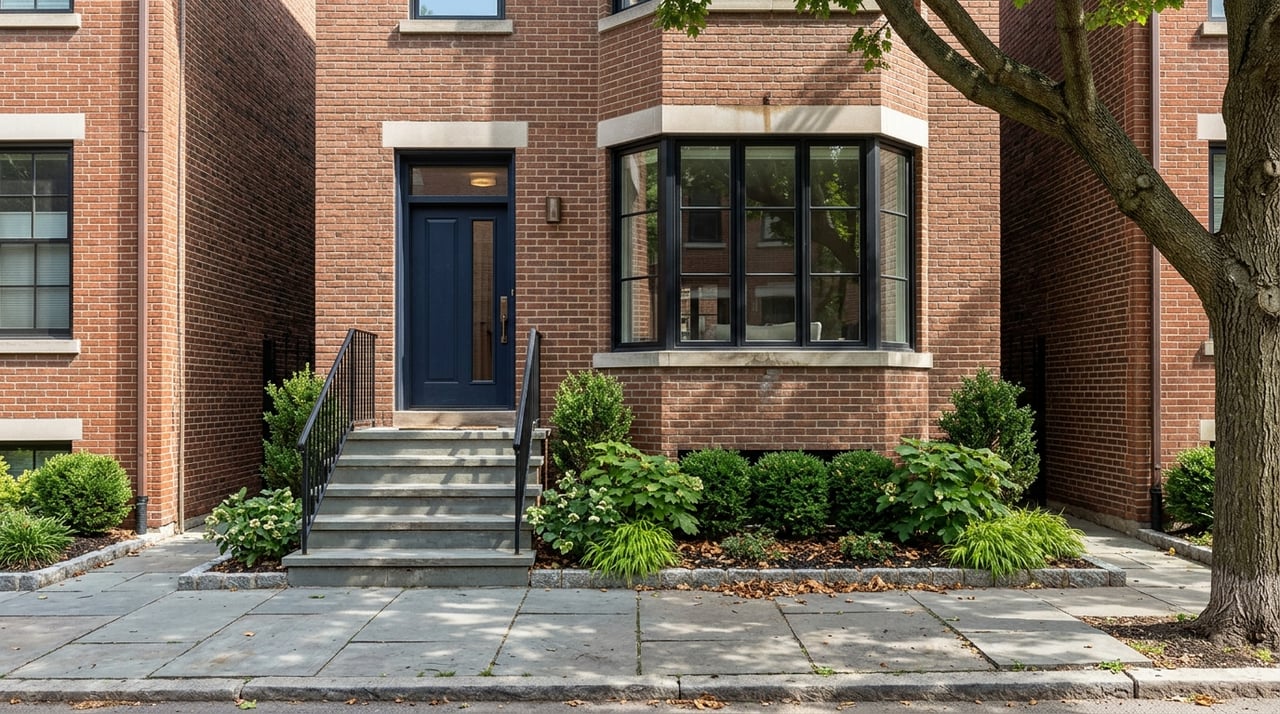
If you want a neighborhood where you can step out for coffee, pick up dinner, stroll to a park, and catch Metro without making every errand a car trip, downtown Bethesda stands out. For many buyers, that kind of daily ease matters just as much as square footage or finishes. The good news is that Bethesda offers more than one version of walkable living, and understanding those options can help you choose the right fit. Let’s dive in.
What makes Bethesda feel walkable
Downtown Bethesda brings together many of the pieces that support life on foot. County planning identifies Bethesda Row, the Wisconsin Avenue corridor, and Woodmont Triangle as the main centers of activity, which helps explain why so much of daily life feels concentrated and connected.
Within that core, you are not relying on one or two destinations. Bethesda Urban Partnership says downtown has nearly 200 restaurants, 75 home fashion retailers, unique boutiques, day spas and salons, three live theaters, art galleries, and nearly 700 retailers and businesses overall. That mix creates the kind of street-level activity that makes walking practical, not just pleasant.
Just as important, the area is active beyond business hours. Year-round events like Taste of Bethesda, the Summer Concert Series, Bethesda Outdoor Movies, Winter Wonderland, and Yappy Hour add to the sense that downtown is designed for everyday use, not only commuting.
Downtown living on foot
If your priority is a true car-light lifestyle, the strongest case is in and around the downtown core. This is where restaurants, services, parks, and transit are layered closely together, so an ordinary week can include errands, dining, entertainment, and outdoor time without much driving.
Taste of Bethesda is a useful example of how the area works in real life. The event takes place in Woodmont Triangle along Norfolk, St. Elmo, Cordell, Del Ray, and Auburn Avenues, and it is just three blocks from the Bethesda Metro. That tells you something important about the layout: the dining scene is tied directly into the pedestrian grid.
This kind of setup can make a big difference in your routine. Instead of planning around parking for every outing, you may be able to walk to dinner, stop by a local shop, and head home through active, well-used streets.
Parks add breathing room
Walkability is not only about stores and sidewalks. It also depends on having places to pause, gather, and spend time outdoors.
Montgomery Parks says Caroline Freeland Urban Park is a 1-acre park renovated in 2024 and located near the Bethesda Library, local businesses, surrounding residential areas, and restaurants. Elm Street Urban Park is 2.1 acres and is being connected to the Capital Crescent Surface Trail project, which includes new sidewalks, lighting, trees, and a park entry plaza.
These smaller parks matter because they shape the rhythm of daily life. They give downtown Bethesda moments of openness and greenery that balance the busier commercial streets.
Trails strengthen the network
The Capital Crescent Trail is another major part of the picture. Montgomery Parks says the trail runs 11 miles from Georgetown to Silver Spring and is heavily used, while Montgomery Planning continues to treat the trail and related open-space improvements as part of downtown Bethesda’s long-term framework.
For you, that can mean more than recreation. A trail connection can support walks, bike rides, and a broader sense that the neighborhood extends beyond a few central blocks.
Getting around without relying on a car
Bethesda’s walkability is closely tied to transit. Bethesda Metro is on the Red Line, which gives downtown an important connection point for people commuting into Washington or moving around the region.
WMATA says the station does not have parking, but it does offer 38 bike racks, 44 lockers, and bikesharing. That setup reinforces the car-light nature of the area. The design of the station experience supports arriving by foot, bike, or transit rather than by car.
Bethesda Urban Partnership also says the free Bethesda Circulator connects Metro, parking garages, restaurants, theaters, shops, and more. For residents, that can help bridge the gap between a fully walkable day and a day when you want a little extra range without driving.
Looking ahead, WMATA says a new mezzanine is being built to connect Bethesda Station to the future Purple Line Bethesda Station, although the mezzanine will not be available until the Purple Line opens in 2027. Montgomery Planning also says the county will continue funding bus rapid transit, the Purple Line, the Capital Crescent Trail, and new bike lanes.
Three versions of walkable Bethesda
One of the most useful things to understand is that walkable Bethesda is not a single lifestyle. The housing pattern changes block by block, and each version supports a different day-to-day routine.
Condos and apartments near the core
If you want the most direct access to downtown amenities, condos and apartments are the clearest match. County planning says downtown Bethesda has added more than 1,700 housing units since 2017, with about 70% of them in larger apartment buildings, and about two-thirds of residents are renters.
That tells you the core remains heavily multifamily. Bethesda Urban Partnership also reflects this pattern by listing apartments and condominiums as the dominant downtown housing forms. If your goal is to be closest to Metro, restaurants, and events, this part of the market often offers the simplest path.
Townhomes with balance
For some buyers, the ideal setup is not maximum density but a balance between space and convenience. In practical terms, townhomes often fit that middle ground, giving you a more residential feel while still keeping downtown within easy reach.
The broader planning area includes lower-density pockets, and South Bethesda includes a mix of rental garden apartments, townhouses, and single-unit homes. County planning specifically recommends preserving existing apartments and townhouses there to help maintain a variety of housing types.
Single-family streets nearby
You can also find a quieter residential experience near the same downtown amenities. Planning documents note that the area includes surrounding primarily single-family communities, and the Height Incentive Area was designed in part to give those communities greater certainty about maximum building height.
For buyers who want close-in Bethesda access but a calmer residential setting, this is often the appeal. You may not live in the middle of the commercial core, but you can still stay connected to the same restaurants, parks, and transit.
What to know about tradeoffs
Walkability is a strong draw in Bethesda, but it does come with tradeoffs. The first is cost.
Montgomery Planning says housing costs remain high, and it also notes that family-sized and deeply affordable units remain an ongoing policy concern. If you are prioritizing a downtown or near-downtown location, it helps to be clear early about which features matter most to you.
The second tradeoff is construction friction. The county’s 2025 downtown amendment notes issues including construction-related sidewalk closures and curb and loading management.
In real terms, that means the neighborhood is evolving, but daily convenience may occasionally come with temporary disruptions. For many buyers, that is a manageable tradeoff for long-term access and connectivity, but it is still worth weighing.
How to choose the right walkable fit
If you are comparing Bethesda options, start by defining what walkable means in your own routine. For some people, it means being able to reach Metro and dinner on foot. For others, it means access to parks, trails, and a neighborhood rhythm that feels connected but not dense.
A simple framework can help:
- Choose the downtown core if your priority is the easiest access to restaurants, shops, events, and transit.
- Choose a townhome setting if you want a blend of space, flexibility, and close-in convenience.
- Choose nearby single-family blocks if you want a more residential atmosphere while staying near downtown Bethesda.
This is where local, block-by-block guidance becomes especially valuable. In Bethesda, a small shift in location can change how often you walk, how often you drive, and how the neighborhood feels day to day.
Why everyday life matters
The biggest appeal of walkable Bethesda is not just convenience on paper. It is how the neighborhood can shape your routine in small, meaningful ways.
You may find yourself using parks more often because they are close by. You may make more spontaneous plans because restaurants and events are built into the street network. You may even find that access to Metro, trails, and the Circulator changes how you think about getting around altogether.
Downtown Bethesda is home to more than 17,000 residents and over 33,000 jobs within roughly 450 acres, according to the county’s 2025 plan update. That density of homes, jobs, destinations, and transit helps explain why the area feels active and practical at the same time.
If you are considering a move in Bethesda, the right question is not only whether the area is walkable. It is which version of walkable living fits your life best.
If you want tailored guidance on Bethesda’s condo, townhome, and close-in single-family options, Lauren Pillsbury offers strategic, highly personalized advice to help you choose the right fit with confidence.
FAQs
Is downtown Bethesda walkable for daily errands and dining?
- Yes. The strongest walkable areas are around Bethesda Row, Woodmont Triangle, and the Wisconsin Avenue corridor, where dining, shopping, parks, events, and transit are clustered together.
Can you live in Bethesda without a car?
- In the downtown core, that is often possible. Red Line access, the free Bethesda Circulator, bike amenities at the Metro station, and a strong pedestrian network support a car-light lifestyle, though your exact address matters.
What housing types support walkable living in Bethesda?
- Condos and apartments usually support the most car-light version of downtown living, while townhomes often balance space and convenience, and nearby single-family homes offer a more residential setting close to the same amenities.
What are the main tradeoffs of living near downtown Bethesda?
- The two main tradeoffs noted by county planning are high housing costs and some construction-related friction, including sidewalk closures and curb or loading challenges in parts of downtown.
What outdoor spaces are part of everyday life in downtown Bethesda?
- Key outdoor spaces include Caroline Freeland Urban Park, Elm Street Urban Park, and the Capital Crescent Trail, along with planned and improved open spaces identified in the county’s downtown framework.
How is Bethesda transit expected to improve in the coming years?
- WMATA says a new mezzanine will connect Bethesda Station to the future Purple Line station, and county planning says funding will continue for bus rapid transit, the Purple Line, the Capital Crescent Trail, and new bike lanes.