If you are trying to make a smart move in Spring Valley, the market can feel a little contradictory. Some homes move quickly and close near asking, while others sit longer and invite negotiation. The good news is that when you understand what is driving demand, you can make better decisions with less stress. Let’s dive in.
Spring Valley at a glance
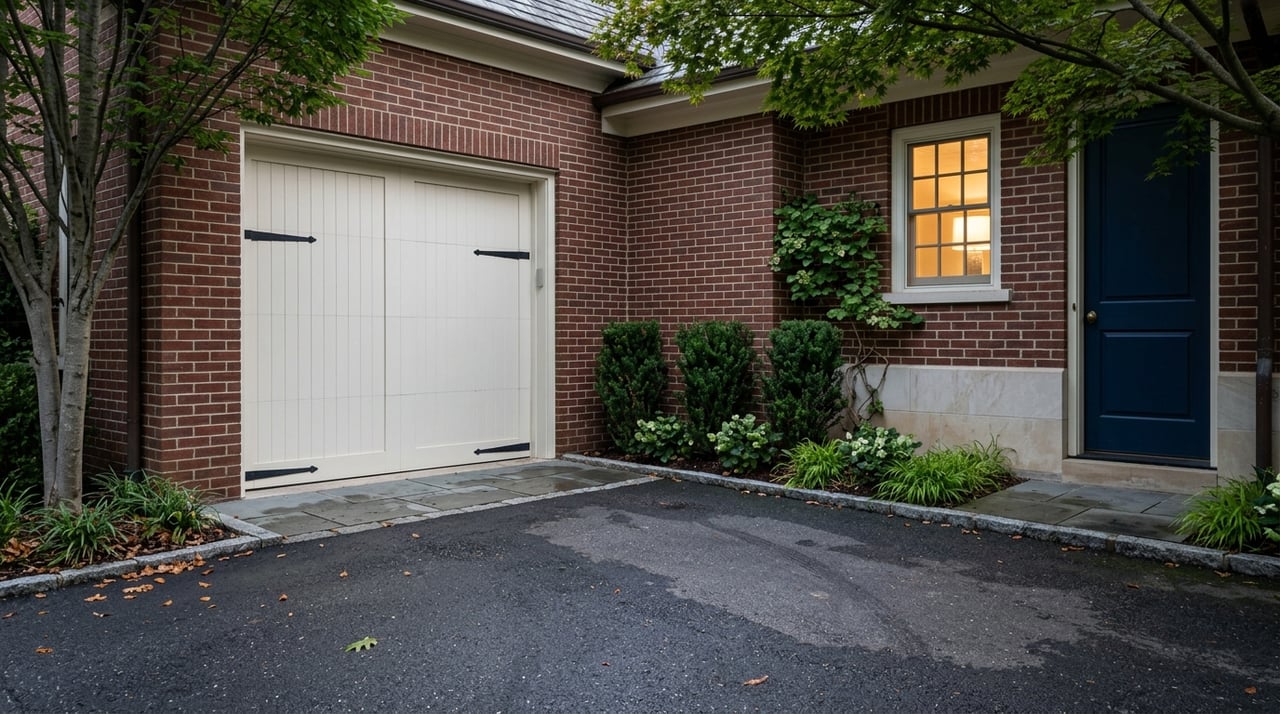
Spring Valley is a primarily residential neighborhood in upper Northwest Washington, DC, within Ward 3. It is known for a more single-family-home-oriented pattern, with detached homes, mature trees, and a long-established streetscape shaped by development that began in the 1920s.
That history matters because it helps explain today’s housing mix. In Spring Valley, you will find original-period homes, partially updated properties, and fully modernized residences, often on the same few blocks. For buyers and sellers alike, that creates a market where condition and presentation carry real weight.
What the Spring Valley market looks like now
Current data suggests Spring Valley is leaning buyer-friendly overall, but not evenly across every listing. Realtor.com’s April 2026 snapshot showed a median listing price of $2.65 million, 21 homes for sale, and a median 26 days on market, while identifying the neighborhood as a buyer’s market.
At the same time, Redfin’s March 2026 data showed a median sale price of $2.55 million, a 99.6% sale-to-list ratio, and a somewhat competitive market profile. Average homes were going pending in about 29 days, while the most sought-after homes moved in around 7 days.
That split tells you something important. Spring Valley is not a market where every home sells instantly, and it is not a market where every buyer has unlimited leverage. Instead, pricing, finish level, and overall readiness are separating the strongest listings from the rest.
Why some homes move faster
In a neighborhood with older housing stock, buyers are paying close attention to condition. Washingtonian’s 2026 reporting on the DC-area market found that buyers are strongly favoring fully renovated homes, especially those with updated kitchens and baths, while showing less appetite for deferred maintenance or homes that feel like major projects.
That preference is backed up by broader housing data. Realtor.com reported that renovated homes drew more pageviews and spent about 10 fewer days on market than other older homes, although that advantage has narrowed. Zillow also found that fixer-uppers sold for 7.3% less than comparable homes, the largest discount in three years.
For Spring Valley, that pattern is especially relevant. Because the neighborhood includes homes from different eras and renovation stages, buyers often compare not just size and location, but also systems, finishes, and how much work a home may require after closing.
What Spring Valley buyers want most
Today’s Spring Valley buyers are often looking for a balance of comfort, function, and character. According to Washingtonian’s 2026 reporting, buyers in the DC area are prioritizing renovated homes, home offices or flexible workspaces, natural light, outdoor space, and homes with charm.
That aligns well with the way Spring Valley lives. The neighborhood has a more residential feel than many denser DC areas, so buyers tend to respond to homes that offer usable outdoor areas, strong interior flow, and enough flexibility for office, gym, or guest use.
Walkability and convenience still matter, but they play a different role here. Redfin rates Spring Valley at 59 out of 100 for walkability, 41 for transit, and 48 for bikeability, which reinforces the idea that buyers are often choosing the neighborhood for its residential setting first, then weighing convenience as part of the overall lifestyle.
What this means for sellers
If you are selling in Spring Valley, the biggest opportunity is to meet buyers where they are. Right now, that usually means launching with a realistic price, polished presentation, and a clear plan for addressing visible condition issues before the home hits the market.
Buyers are less willing to overlook dated systems or maintenance concerns than they were in more aggressive market cycles. Washingtonian reports that buyers are also less willing to waive contingencies, which means inspection-related issues can have a stronger effect on both interest and leverage.
In practical terms, the best pre-listing investments are often focused and strategic. Instead of over-improving, sellers tend to benefit most from work that sharpens first impressions and removes objections.
Smart seller priorities
- Price carefully from day one
- Address deferred maintenance that buyers will notice
- Refresh kitchens and baths where practical
- Improve light, flow, and overall presentation
- Highlight outdoor space and flexible-use rooms
- Preserve original character while keeping finishes neutral
In a market like Spring Valley, a well-prepared home can still attract strong attention quickly. But if a property feels overpriced or unfinished relative to competing options, buyers are more likely to pause.
What this means for buyers
If you are buying in Spring Valley, confidence comes from preparation. Even in a market that leans more negotiable overall, the best homes can still move fast, especially when they are well-priced and turnkey.
That means you should be ready before the right property appears. The strongest buyer position usually combines price, certainty, and speed, particularly in the luxury segment where polished homes can draw immediate interest.
Smart buyer priorities
- Get pre-approved before you start making offers
- Decide how much renovation work you are truly willing to take on
- Separate cosmetic updates from major system concerns
- Move quickly on well-finished, well-priced homes
- Stay disciplined on value, even when competition appears
This is where neighborhood-level judgment matters. Two homes may have similar square footage and location appeal, but very different value depending on finishes, maintenance history, and how much work a buyer will need to do after closing.
Pricing and condition now matter more
Spring Valley’s current market rewards precision. Homes are still selling close to asking on average, but that does not mean every pricing strategy works equally well.
A home that is fully updated, thoughtfully presented, and aligned with buyer expectations may generate quick action. A home with dated finishes, uneven upkeep, or optimistic pricing may spend much longer on market, even in a desirable neighborhood.
This is one reason the market can feel confusing from the outside. You may hear that Spring Valley is a buyer’s market, then see a polished property go pending in a week. Both can be true at the same time.
The broader DC backdrop
The larger DC-area market also helps explain what is happening locally. GCAAR’s April 2026 data for the Greater Capital Area showed 4,591 active units, a contract ratio of 0.44, a median of 12 days on market for closed sales, and an average of 36 days on market.
That broader buyer-favorable environment creates more room for negotiation than many sellers saw in earlier periods. But in established luxury neighborhoods like Spring Valley, demand has not disappeared. It has simply become more selective.
How to navigate Spring Valley confidently
Whether you are buying or selling, the clearest path forward is to focus on the factors buyers are actually rewarding right now. In Spring Valley, those factors include renovation level, overall condition, pricing discipline, outdoor appeal, and flexible living space.
For sellers, confidence comes from preparation and positioning. For buyers, confidence comes from speed, clarity, and knowing where to compromise and where not to.
In a neighborhood with a long housing history and a wide range of property conditions, general market headlines only tell part of the story. The better strategy is to evaluate each home, and each opportunity, on its own merits.
If you are considering a move in Spring Valley, working with a local advisor who understands pricing nuance, presentation, and negotiation can make the process feel far more manageable. For tailored guidance on buying or selling in Spring Valley, connect with Lauren Pillsbury.
FAQs
Is Spring Valley currently a buyer’s or seller’s market?
- Spring Valley is leaning buyer-friendly overall based on April 2026 market data, but well-priced, well-finished homes can still attract quick interest and strong offers.
How long do homes in Spring Valley take to sell?
- Recent data shows a mixed picture, with median days on market ranging from 26 to 99 depending on the source and methodology, while average homes may go pending in about 29 days and especially desirable homes in around 7 days.
Do renovated homes sell better in Spring Valley?
- In general, yes. Current reporting shows buyers are more responsive to renovated homes, and broader data indicates updated homes tend to get more attention and sell faster than older homes needing work.
What features matter most to Spring Valley buyers?
- Buyers are often prioritizing updated kitchens and baths, flexible office space, natural light, outdoor space, and original character presented in a clean, move-in-ready way.
What should a buyer do to compete in Spring Valley without overreaching?
- A buyer should get pre-approved early, decide in advance how much work they can take on, and be ready to move quickly on a well-priced home while still staying disciplined on value and terms.