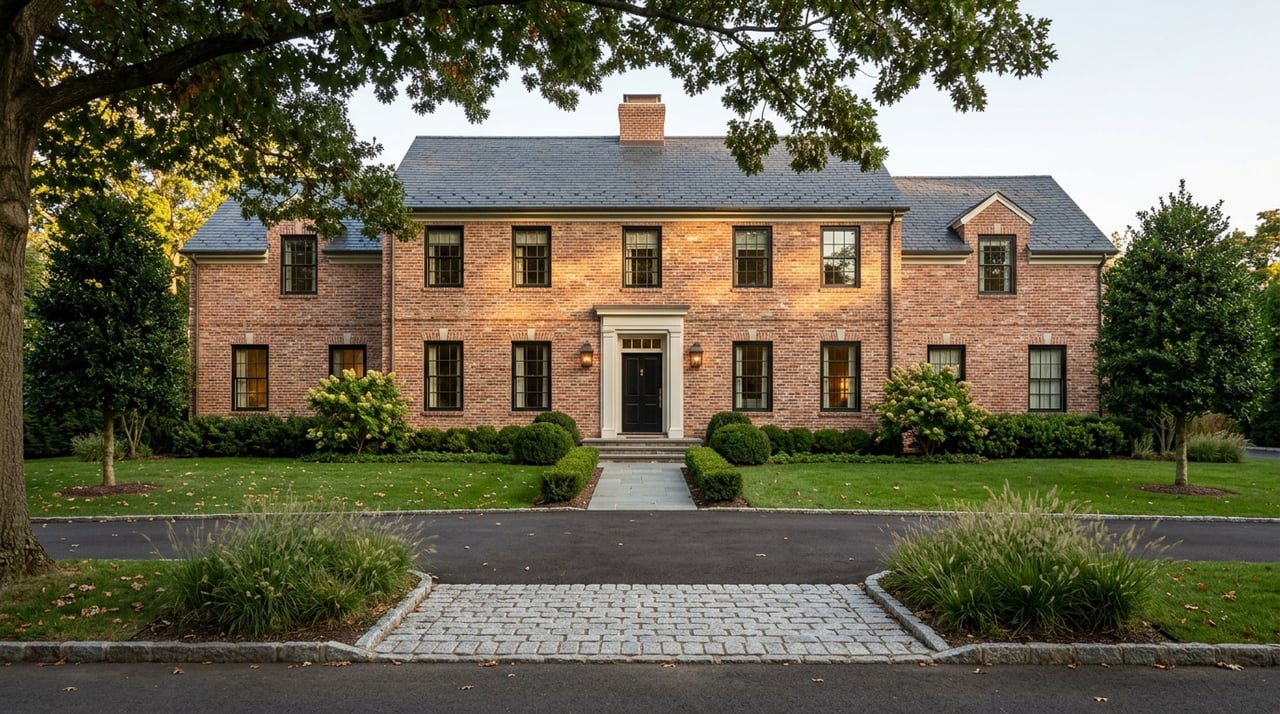
Thinking about trading Northwest DC for more space in Potomac? For many buyers, that idea starts with a simple question: do you want to keep an urban, transit-friendly routine, or are you ready for a more private, home-centered lifestyle? If you are weighing that move, the good news is that the trade-offs are fairly clear. This guide walks you through how Potomac compares with DC, what kind of homes you are most likely to find, and how to decide whether the shift fits the way you want to live. Let’s dive in.
Potomac offers a different kind of space
If you are coming from Northwest DC, the biggest change is usually not just square footage. It is the overall feel of daily life. Potomac is a lower-density, more owner-occupied market with housing that tends to support a more private, residential routine.
Public data reflects that clearly. Potomac has an 84.8% owner-occupied housing rate, compared with 41.5% across DC citywide. Potomac also has a median owner-occupied home value of $1,157,000, versus $737,100 in DC, which underscores that this is a premium submarket within the Capital Region.
Another useful signal is household size. Potomac averages 2.79 people per household, while DC averages 1.99. That does not define any individual buyer, but it does help explain why Potomac often appeals to people looking for a more space-intensive home setup.
Housing stock looks very different
Potomac is mostly detached homes
Potomac’s housing mix is centered on detached single-family homes. About 70.3% of housing units are 1-unit detached, and another 15.0% are 1-unit attached. In practical terms, that means your search is far more likely to focus on detached homes first, with townhomes as a secondary option.
That is a major contrast with DC. Citywide, only 12% of homes are 1-unit detached, while attached homes make up 25% of the housing stock, and buildings with 20 or more units account for 34%. If you have been living in a rowhouse, condo, or coop environment, Potomac will likely feel more spread out and less building-dense.
The trade-off is urban convenience versus breathing room
For many Northwest DC buyers, the appeal of Potomac is straightforward. You are generally moving toward more private outdoor space, more parking convenience, and less attached-building living. Those features are inferred from the area’s lower density and detached-home-heavy housing mix, rather than from one specific lot-size statistic.
The flip side is just as important. If you love the rhythm of closely spaced retail, frequent transit options, and a more walkable street-grid routine, Potomac may feel less immediate and less urban than what you are used to in DC.
Potomac is a premium market
Potomac is not simply a suburban alternative to DC. It is also a higher-value housing market than Montgomery County overall. The median value of owner-occupied housing in Montgomery County is $640,300, compared with $1,157,000 in Potomac.
Ownership costs also reflect that step up. Potomac’s median monthly owner costs with a mortgage are above $4,000, compared with $3,128 in DC citywide. If you are planning a move, it helps to evaluate not just purchase price, but the full monthly ownership picture and how it fits your long-term goals.
Potomac tends to attract longer-term owners
Potomac also reads as a stable ownership market. About 90.8% of residents lived in the same house one year ago, and 70.5% of households are married-couple households. These numbers suggest a mature, established residential base and a market where many owners plan to stay put.
For a buyer who wants a long-term landing place, that can be an important part of the appeal. It often means you are buying into a community where ownership is the norm and turnover is relatively limited.
Daily life in Potomac is more car-oriented
Commute time is similar, but routine is not
One of the more interesting comparisons is commute time. Potomac’s mean commute time is about 31.2 minutes, while broader figures in the research also place Potomac near 29.7 minutes and DC at roughly 30.0 minutes. In other words, the average travel time may not look dramatically different on paper.
What changes more meaningfully is how you get around. In Potomac, 53.9% of workers drive alone, 5.5% carpool, 4.2% use public transportation, and 33.1% work from home. In DC, the commute mix is much more multimodal, with lower auto reliance and higher shares of public transit, walking, biking, and other non-auto travel.
Expect a lifestyle shift, not just a map shift
This is where many Northwest DC buyers need the clearest expectations. A move to Potomac is often less about adding a few minutes to a commute and more about changing the structure of your day. Errands, school drop-offs, workouts, dining, and social plans are more likely to involve driving rather than walking or hopping on transit.
That shift works very well for some buyers. It feels calmer, more spacious, and easier to manage when your priorities lean toward home life and privacy. For others, it can feel like a real adjustment if dense walkability is high on the list.
Amenities are centered, not continuous
Potomac still offers strong everyday amenities, but they are organized differently from Northwest DC. Rather than a continuous urban retail pattern, Potomac’s lifestyle tends to revolve around key commercial and recreation nodes.
Montgomery Planning identifies Potomac Village as the commercial heart of the community, with Potomac Village and Cabin John serving as major centers. That pattern matters because it shapes how you experience convenience. You are not losing access to shopping, dining, and services, but you are typically accessing them in more concentrated destinations.
Cabin John adds lifestyle value
Cabin John Village is one example of that amenity structure. It is described by its operator as a community-focused retail center with dining, home goods, health and wellness uses, and recurring events like movie nights, festivals, and farmers markets.
For many buyers, that kind of amenity base is part of Potomac’s appeal. It supports an active routine while still preserving the area’s quieter residential character.
Outdoor access is a real draw
Potomac also offers strong park access. Cabin John Regional Park includes trail systems such as the 3.3-mile Cabin John Regional Park trails and the roughly 9-mile Cabin John Stream Valley Trail. Montgomery Parks also opens portions of parkways to pedestrians and bicyclists on weekends through its Open Parkways Initiative.
If you want more room and more access to outdoor recreation without leaving the Capital Region, this can be a meaningful advantage. It adds to the sense that Potomac’s lifestyle is more park-based and home-centered than street-grid-based.
Who tends to like Potomac most?
Potomac often makes the most sense for buyers who are intentionally trading urban density for space and privacy. If you want a detached-home-oriented market, a more residential setting, and a home that may better support long-term ownership, Potomac has a lot to offer.
It can be especially compelling if you are moving up from a smaller home, sharing space more tightly than you would like, or simply ready for a different rhythm. The area keeps you connected to the broader Capital Region while offering a more suburban daily experience.
On the other hand, Potomac may be a less natural fit if your top priorities are transit-first living, highly walkable blocks, and a dense mix of nearby housing and retail types. Neither choice is better in the abstract. The right move depends on the routine you want your next home to support.
Questions to ask before you move
Before making the jump from Northwest DC to Potomac, it helps to pressure-test a few basics:
- Do you want more house and more privacy enough to change your daily routine?
- Are you comfortable with a more car-oriented lifestyle?
- Is your budget aligned with Potomac’s premium home values and ownership costs?
- Are you looking for a long-term home rather than a shorter-term stop?
- Do you prefer centered amenities and park access over dense, block-by-block walkability?
If most of your answers are yes, Potomac may be a strong fit. If you hesitate on the lifestyle questions, it may be worth comparing it carefully with other close-in Maryland options before moving forward.
A move like this is not just about crossing a jurisdiction line. It is about matching your next home to the way you actually want to live. If you want a strategic, highly personalized view of how Potomac compares with Northwest DC for your goals, Lauren Pillsbury can help you evaluate the trade-offs with clarity and confidence.
FAQs
Is Potomac more expensive than Northwest DC citywide averages?
- Potomac has a median owner-occupied home value of $1,157,000, compared with $737,100 for DC citywide, and median monthly owner costs with a mortgage are above $4,000 in Potomac versus $3,128 in DC.
What kinds of homes are most common in Potomac?
- Potomac is primarily a detached-home market, with 70.3% of housing units classified as 1-unit detached and 15.0% as 1-unit attached.
How does commuting from Potomac compare with DC?
- Average commute times are fairly similar on paper, but Potomac is much more car-oriented, with 53.9% of workers driving alone and only 4.2% using public transportation.
What is everyday shopping and dining like in Potomac?
- Potomac’s amenities are concentrated in key centers such as Potomac Village and Cabin John, rather than spread continuously through a dense street grid.
Is Potomac a good fit if you want a long-term home?
- Potomac appears to be a stable ownership market, with an 84.8% owner-occupied rate and 90.8% of residents living in the same home one year ago.
What is the biggest lifestyle change when moving from Northwest DC to Potomac?
- For many buyers, the biggest change is moving from a more walkable, multimodal urban routine to a more private, lower-density, car-oriented daily lifestyle.